
Quality Assurance & Product Evaluation
For international businesses purchasing manufactured products from India, clearly established quality requirements are essential to successful procurement. Product characteristics, inspection criteria and supporting technical information help buyers assess whether goods are suitable for their intended industrial, commercial or consumer applications.
JPH Global Trading incorporates quality assurance considerations into its manufacturing and supply activities across food ingredients, herbal beverages, botanical essential oils, Ayurvedic-inspired cosmetics and palm leaf tableware. Our internal quality-control approach, led by Dr. Panchami Nair, focuses on product integrity, applicable specifications and coordination with relevant manufacturing sources.
Rather than treating quality as a general assurance, we consider the measurable characteristics and documentation appropriate to each product. The inspection and testing arrangements applicable to an order are established according to its manufacturing scope and agreed requirements.
|
|

|

|
Establishing Product Specifications and Acceptance Criteria
A product specification provides the technical foundation for evaluating manufactured goods. It defines the characteristics a buyer expects and helps establish how those characteristics may be assessed. Depending on the product, relevant parameters can include composition, moisture, purity, appearance, dimensions, consistency and other measurable properties.
JPH Global Trading considers buyer-defined specifications when reviewing manufacturing requirements. These discussions help identify which parameters are essential, what variations may be acceptable and whether analytical or physical verification is necessary. Clear acceptance criteria also reduce ambiguity when reviewing finished goods and communicating any differences between agreed requirements and actual product characteristics.
Raw Material Identity and Quality Considerations
Manufacturing quality begins with identifying materials suitable for the intended finished product. Agricultural inputs, botanical materials, cosmetic ingredients and natural tableware materials have different characteristics, making appropriate material identification an important part of product evaluation.
Our raw material quality discussions consider relevant identification, appearance, composition, sourcing information and processing suitability. Available supplier specifications or supporting material records may also be reviewed where applicable. The objective is to establish an appropriate relationship between the selected input and the finished-product requirements. Specific supplier controls and inspection methods depend on the manufacturing source and product category.

|
|
|

|
Food Ingredient and Herbal Beverage Quality Parameters
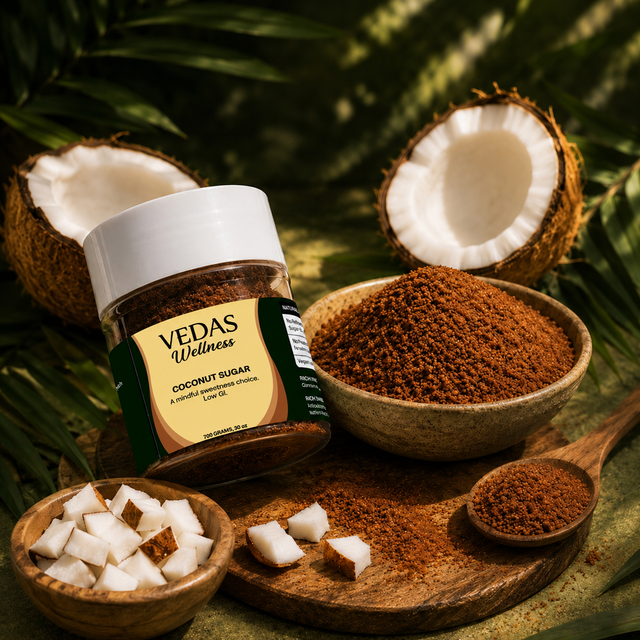
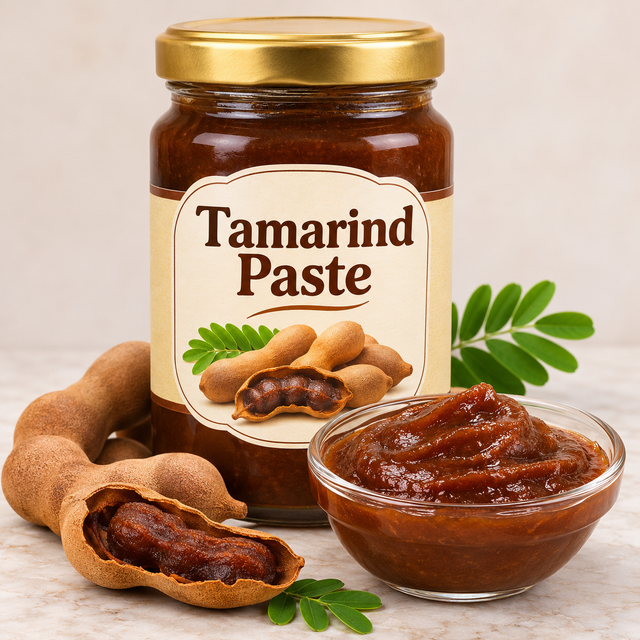
Food ingredient evaluation involves characteristics relevant to the ingredient's physical form, composition and intended application. Granulated sweeteners may require particle-size and moisture specifications, while concentrated fruit ingredients involve considerations such as soluble solids, acidity and consistency. These distinctions influence the type of technical information needed for commercial purchasing decisions.
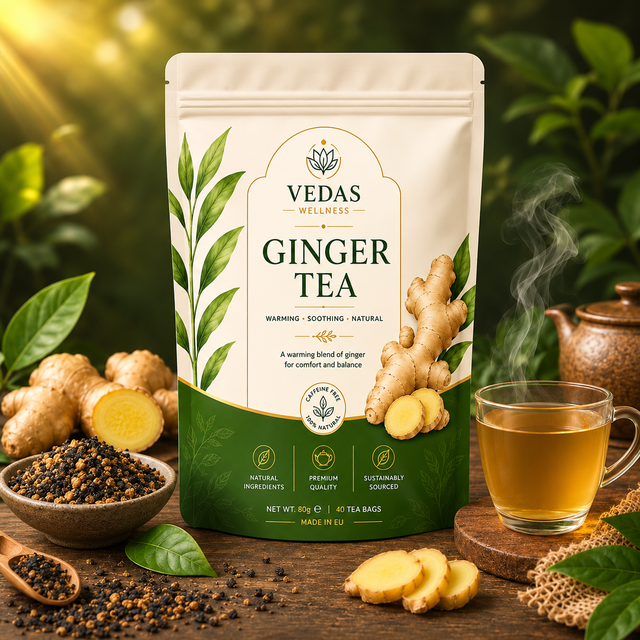
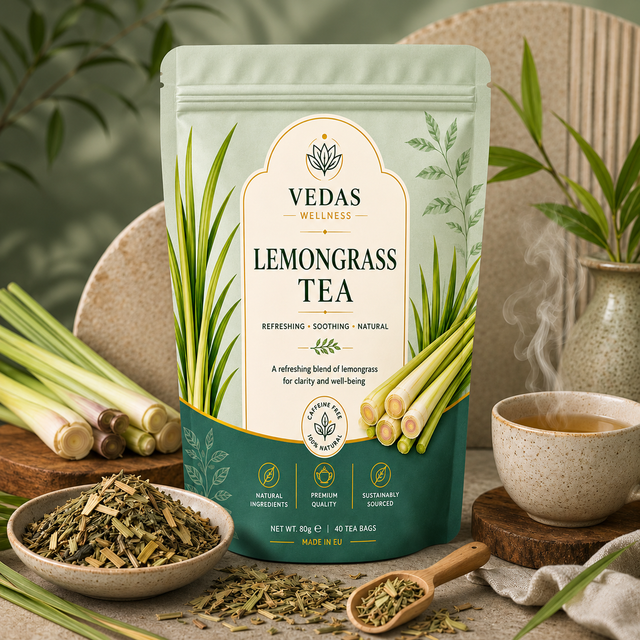
Herbal teas and beverage blends present additional considerations, including botanical identity, cut size, aroma, appearance and blend composition. Applicable cleanliness, microbiological and contaminant requirements should be established according to the product and intended market. JPH Global Trading's product documentation includes reference values for selected agricultural ingredients, but these values are not substitutes for confirmed specifications or testing information applicable to an individual production lot.
Botanical Essential Oil Identification and Analytical Review
Essential oils require particular attention to botanical identity because aromatic materials obtained from different species or plant parts may have different chemical characteristics. Relevant technical information can include the scientific botanical name, extraction method, appearance, aroma and chemical composition.
For applicable oils, analytical evaluation may consider specific gravity, refractive index and characteristic constituents. These parameters help buyers assess the material against their intended fragrance or formulation requirements. Where composition reports, certificates of analysis or other technical records are requested, the available documentation should correspond to the particular essential oil and production lot. Purity and conformity cannot be established from the product name alone.
Cosmetic Formulation Quality and Stability Considerations
Ayurvedic-inspired cosmetics require evaluation appropriate to their finished formulation and intended cosmetic application. Relevant characteristics may include ingredient identity, appearance, fragrance, consistency, microbiological quality and stability. Products with different textures or compositions may also require different packaging compatibility considerations.
JPH Global Trading's cosmetic quality discussions consider appropriate formulation information, available stability or shelf-life records, ingredient declarations and relevant testing requirements. Cosmetic claims must be supported by suitable evidence, while product classification and labelling obligations depend on the intended market. An Ayurvedic-inspired product description does not, by itself, establish therapeutic approval, clinical efficacy or regulatory conformity.
Palm Leaf Tableware Inspection Requirements
Areca palm leaf tableware requires a different inspection approach because its principal characteristics are physical and dimensional. Relevant considerations include material identity, article shape, width, diameter, depth, edge finishing and surface appearance. Natural variations in the leaf material should be distinguished from defects that affect the agreed product requirements.
Inspection discussions may also address product consistency, carton quantities and suitability for intended food-contact conditions. Where customers require evidence relating to food-contact safety, heat resistance or environmental performance, appropriate product-specific documentation is necessary. Assertions about certified compostability, microwave suitability or particular regulatory standards should not be made without supporting evidence.
Manufacturing-Stage Quality Coordination
Quality requirements are relevant during production as well as when finished goods are inspected. Depending on the manufacturing activity, attention may be given to processing conditions, formulation requirements, material handling and consistency with approved specifications. Different manufacturing arrangements require different review points.
JPH Global Trading coordinates relevant quality expectations through its internal quality-control framework and applicable manufacturing relationships. Inspection responsibilities, sampling requirements and any necessary technical reviews should be established for the particular order. This allows quality-related decisions to be considered in relation to the manufacturing activity involved, rather than relying solely on an examination of the final product.
Certificates of Analysis and Technical Documentation
International purchasers may require documents that explain product characteristics or provide evidence supporting specified quality parameters. Such information can include product specification sheets, certificates of analysis, laboratory test reports, ingredient or material details, safety information and applicable manufacturing records.
The purpose of each document is different. A specification describes required characteristics, whereas a certificate of analysis generally records analytical results for an identified product or lot. JPH Global Trading can discuss relevant documentation requirements, with availability determined by the product and manufacturing source. Before a certificate or report is used as evidence of conformity, its issuer, scope, validity and applicability should be verified.
Pre-Shipment Inspection and Independent Verification
Pre-shipment inspection provides an opportunity to review agreed product characteristics and order details before commercial dispatch. Depending on the product and the customer's requirements, inspection may address physical appearance, quantities, product identification, packaging condition, sampling and relevant supporting records.
JPH Global Trading can discuss independent third-party inspection as part of an applicable commercial order. The inspection scope, responsible party, timing, reporting format and associated costs must be agreed before the arrangement is made. Identified discrepancies are then addressed according to the relevant commercial agreement. Independent inspection is an available discussion option, not an automatic service or guarantee of conformity for every shipment.
International Product Compliance Considerations
Product compliance requirements vary according to the destination country, product classification and intended application. Food ingredients may be subject to composition and food-safety requirements, while cosmetics involve different ingredient, labelling and product-notification considerations. Essential oils and food-contact tableware have their own applicable obligations.
JPH Global Trading supports discussions concerning relevant product information and compliance documentation. International buyers should identify their destination-market obligations and confirm the evidence required for their chosen products. Manufacturing quality review and regulatory approval are separate considerations; conformity with a particular standard must be demonstrated through appropriate supporting information.
Frequently Asked Questions
1. How does JPH Global Trading approach manufacturing quality assurance?
JPH Global Trading follows an internal quality-control approach supported by product specifications, manufacturing coordination and relevant inspection considerations. Dr. Panchami Nair leads the company's internal quality-control framework. Individual checks depend on the product, manufacturing source and agreed requirements.
2. What quality parameters are important for agricultural food ingredients?
Relevant parameters may include product identity, moisture, particle size, purity, concentration, acidity, appearance and composition. The applicable characteristics depend on the ingredient. Microbiological or contaminant testing may also be required according to the intended use and market.
3. What analytical information should essential oil buyers request?
Essential oil purchasers may request botanical identification, plant-part information, extraction details, chemical composition and relevant physical properties. Certificates of analysis or laboratory reports may also be necessary. The available information should correspond to the selected oil and production lot.
4. What quality requirements apply to Ayurvedic-inspired cosmetics?
Cosmetic evaluation may consider ingredient composition, microbiological quality, stability, fragrance, texture, packaging compatibility and appropriate labelling. Actual testing and documentation requirements depend on the formulation, cosmetic classification and destination-market obligations.
5. Can buyers arrange third-party inspection before shipment?
Third-party inspection can be discussed for applicable manufacturing orders. The scope may cover product characteristics, sampling, quantities, packaging and relevant documents. Inspection arrangements, responsibilities, timing and charges must be agreed before the service is undertaken.
6. Does JPH Global Trading provide certificates of analysis and laboratory reports?
Relevant certificates and technical reports may be discussed according to the selected product and manufacturing source. Document availability is not universal. Applicable reports must be verified for their issuer, validity, scope and relevance to the particular product or production lot.
7. What should international buyers provide when defining quality requirements?
Buyers should identify the product, intended application, technical specifications, acceptance criteria and destination country. Any required testing methods, supporting documents or independent inspection preferences should also be communicated so that appropriate quality arrangements can be evaluated.
Discuss Your Product Quality Requirements
JPH Global Trading welcomes enquiries from international purchasers with defined technical specifications, inspection expectations and documentation requirements.
Share your product details and applicable quality criteria to discuss relevant manufacturing quality considerations, available technical information and appropriate inspection arrangements.