
How to Choose a Reliable Indian Manufacturer for Bulk Product Supply and Exports
04 Nov 2026
Choosing a reliable Indian manufacturer is an important decision for international importers, wholesalers, distributors and businesses purchasing products in commercial quantities. The right manufacturing partner should understand product specifications, maintain appropriate quality-control practices, communicate clearly about production requirements and support the documentation needed for international shipments.
India offers manufacturing opportunities across many industries, including agricultural food ingredients, botanical products, beauty and personal care, and natural-material tableware. However, manufacturers differ in their product capabilities, production arrangements, quality systems, packaging options and export experience.
To choose a reliable Indian manufacturer, international buyers should verify business credentials, confirm actual manufacturing capabilities, establish written product specifications, evaluate samples, review quality documents, compare commercial terms and agree on export responsibilities before placing a bulk order.
This guide explains the key steps buyers can follow when evaluating Indian manufacturers for long-term B2B sourcing and international product supply.
|
|

|
|
1. Verify the Manufacturer's Business Identity and Export Credentials
The first step in selecting an Indian manufacturer is confirming that the business is identifiable, legally established and appropriately authorised for the proposed transaction.
A professional website and detailed product catalogue can help buyers understand a manufacturer's offering, but they are not substitutes for independent business verification.
Before progressing with a substantial order, buyers should review:
- Registered Business Name: Confirm the legal entity responsible for manufacturing and invoicing.
- Registered Address: Check the business address and relevant operational details.
- Importer Exporter Code (IEC): Verify the IEC through India's Directorate General of Foreign Trade (DGFT), where applicable.
- GST Information: Review applicable Goods and Services Tax registration details.
- Product-Specific Licences: Request relevant manufacturing or regulatory licences according to the product category.
- Business Communication: Confirm the company's official email, authorised contact persons and payment beneficiary information.
- Manufacturing Arrangements: Understand which entity manufactures, processes, packs and exports the proposed goods.
India's DGFT provides facilities for verifying IEC information, while the Food Safety and Standards Authority of India (FSSAI) provides licence verification services for applicable food businesses.
Buyers should check that documents are current, match the correct legal entity and cover the relevant activities.
2. Evaluate Actual Product Manufacturing Capabilities
Not every company offering products for export manufactures those products through the same operational model.
Some manufacturers handle production at their own facilities, while others may use specialised contract manufacturing arrangements for particular products or processes.
A buyer should understand which activities the proposed manufacturer performs and which are handled by authorised production partners.
Important manufacturing questions include:
- Product Range: Does the business manufacture the exact product or formulation required?
- Manufacturing Process: What processing, formulation, extraction or product-forming activities apply?
- Production Arrangements: Which facility or manufacturing entity will produce the order?
- Commercial Capacity: Can the proposed manufacturing arrangement support the required quantity?
- Customisation: Are buyer-specific product variations or specifications feasible?
- Production Lead Time: What is the estimated timeline after specifications and commercial terms are approved?
- Repeat Orders: How will product consistency and recurring supply requirements be managed?
For high-value or recurring orders, buyers may also request a facility visit, virtual walkthrough or independent manufacturing assessment, subject to access and commercial arrangements.
The objective is to understand the actual manufacturing capability relevant to the product rather than relying on broad claims about production strength.
3. Define Product Specifications Before Requesting Bulk Pricing
One of the most common purchasing problems occurs when buyers request a quotation using only a product name.
Terms such as coconut sugar, essential oil, Ayurvedic face cream or palm leaf plate do not provide enough information to establish a complete manufacturing requirement.
Different grades, formulations, dimensions and quality characteristics can affect manufacturing costs and suitability.
International buyers should prepare clear technical specifications before comparing quotations.
| Product category | Important buyer specifications |
|---|---|
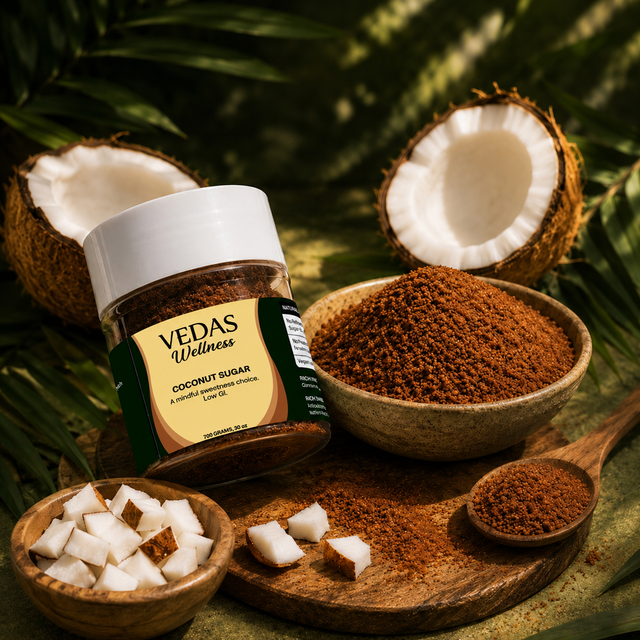
| Coconut sugar | Granulation, moisture, purity, colour, composition and packaging |
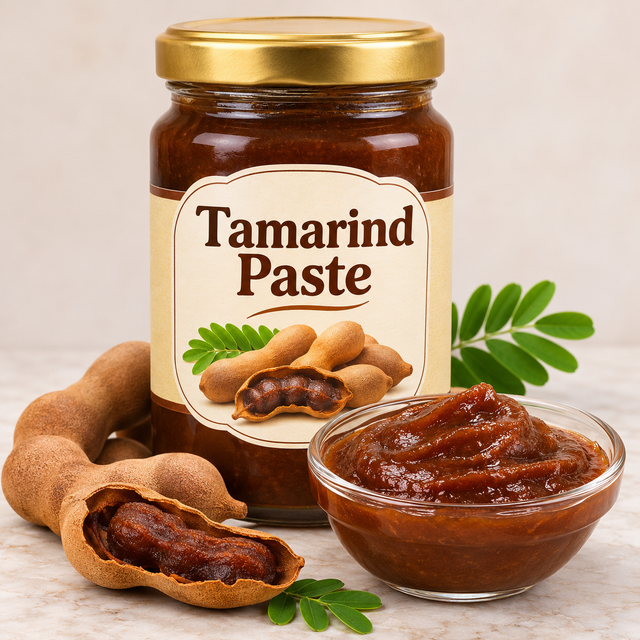
| Concentrated tamarind paste | Brix, acidity, texture, composition, fibre content and packing |
| Herbal teas | Botanical identity, cut size, moisture, appearance and packaging |
| Botanical essential oils | Scientific name, plant part, extraction method, composition and purity |
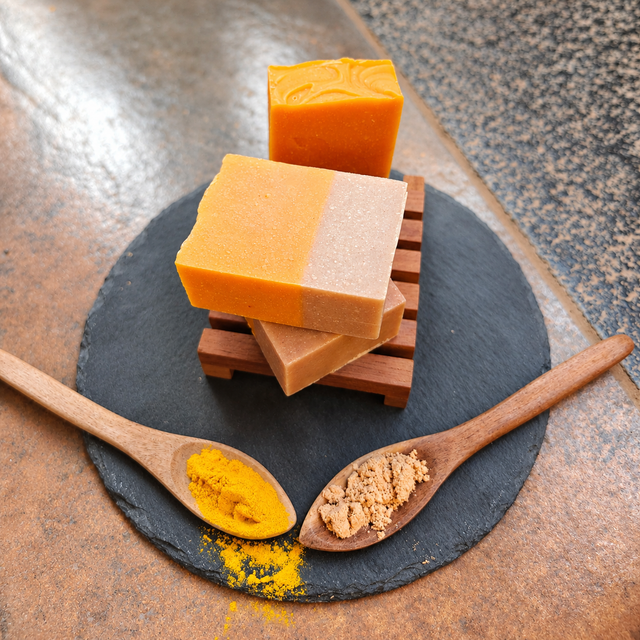
| Ayurvedic cosmetics | Full formulation, texture, fragrance, stability, packaging and intended cosmetic use |
| Areca palm leaf tableware | Material, plate or bowl dimensions, depth, finish and pieces per box |
For example, a manufacturer may offer coconut sugar with a reference granulation of 16–30 mesh. However, this range should not be accepted automatically unless it meets the buyer's actual product requirements.
Similarly, a concentrated tamarind paste buyer may need a specific Brix and acidity range to achieve the intended results in a food formulation.
The best purchasing comparison is between quotations based on the same agreed product specification, not merely the same product name.
4. Review Manufacturing Quality Assurance and Product Testing
Quality assurance should be evaluated before confirming a commercial manufacturing order.
Different industries have different quality requirements. A single inspection approach will not be sufficient for all food ingredients, cosmetic products, essential oils and tableware.
Buyers should discuss how the manufacturer establishes product specifications, monitors relevant processes and verifies finished-product requirements.
Important quality considerations include:
- Raw Material Quality: How are relevant materials identified and evaluated?
- Manufacturing Controls: Which product-specific quality checks are applied?
- Product Specifications: Are measurable acceptance criteria established?
- Sampling: How are product samples selected and evaluated?
- Laboratory Testing: Which analytical or safety tests apply to the product?
- Packaging Inspection: How are packaging and product identification checked?
- Quality Records: Which specification sheets, inspection records or testing documents are available?
For food ingredients, relevant tests may concern moisture, composition or microbiological quality.
For essential oils, buyers may require botanical identification and chemical composition data.
For cosmetic products, formulation information, microbiological testing, stability and packaging compatibility can be important.
Buyers should request product-specific evidence rather than assume that a general company certification demonstrates conformity of every manufactured product.
5. Request Product Samples Before Confirming a Commercial Order
Samples help buyers evaluate whether a proposed product meets their technical and commercial expectations.
They are particularly valuable for products where appearance, fragrance, texture, size or formulation characteristics affect purchasing decisions.
However, sample approval should form part of a documented process.
Before approving a sample, buyers should consider:
- Product Identity: Confirm the exact product or variant represented by the sample.
- Technical Requirements: Evaluate the sample against the intended specification.
- Physical Characteristics: Review relevant colour, texture, aroma, dimensions or consistency.
- Laboratory Evaluation: Arrange appropriate testing when required.
- Packaging: Examine the proposed retail or commercial pack where applicable.
- Reference Sample: Agree how an approved sample will be identified for comparison.
- Bulk Consistency: Confirm how the agreed characteristics will be applied to commercial production.
A satisfactory sample does not automatically establish the quality of every subsequent manufacturing batch.
The commercial purchase agreement should therefore connect sample approval with measurable product specifications, applicable inspection requirements and agreed acceptance criteria.
6. Confirm Minimum Order Quantities and Manufacturing Lead Times
Minimum order quantities (MOQs) and production lead times can vary according to the manufacturing process, formulation, raw material availability, packaging and order complexity.
An established standard product may have different commercial requirements from a newly developed private-label formulation or specially packaged product.
Before confirming a bulk order, buyers should discuss:
- Minimum Order Quantity: The applicable minimum for the selected product and packaging.
- Production Quantity: The manufacturer's ability to address the requested order volume.
- Manufacturing Lead Time: The expected period after approvals and order confirmation.
- Raw Material Availability: Whether relevant materials must be procured for production.
- Packaging Lead Time: Additional requirements for custom containers or printed materials.
- Sample Approval: Any product development or approval stages affecting production.
- Repeat Supply: Commercial arrangements for recurring purchase orders.
Buyers should distinguish manufacturing lead time from the time required for export clearance and international transport.
The agreed commercial order should clearly state the applicable production, inspection and dispatch milestones.
7. Evaluate OEM and Private Label Manufacturing Options
International brands often require products manufactured or packaged according to their own specifications.
OEM manufacturing and private-label arrangements can support these requirements, but the terminology alone does not explain the complete commercial scope.
Buyers should clarify whether the proposal covers an existing product with branded packaging, a modified formulation or a new product development requirement.
Important questions include:
- Can the manufacturer supply an existing product under the buyer's brand?
- Are custom formulations or product variations feasible?
- Who approves the final ingredients and product specifications?
- What packaging and labelling options are available?
- Are sample development or artwork charges applicable?
- What are the minimum quantities for custom manufacturing?
- Who is responsible for product claims and destination-market compliance?
For example, an international beauty brand exploring Ayurvedic facial creams, serums or body massage oils should confirm both the cosmetic formulation and its intended retail packaging.
Similarly, a tableware importer may require palm leaf plates with specific dimensions and branded sleeves.
The manufacturer should evaluate the feasibility of these requirements before finalising a quotation.
8. Check Bulk Packaging and Export Packing Requirements
Packaging affects product protection, storage, handling, distribution and retail presentation.
The correct packaging depends on the manufactured product and its intended use.
A bulk food ingredient, cosmetic cream, essential oil and palm leaf plate should not be evaluated using the same packaging criteria.
International buyers should confirm:
- Primary Packaging: The container or material directly holding the product.
- Pack Size: The required quantity per commercial or retail unit.
- Material Suitability: Compatibility with the product's characteristics.
- Outer Packaging: Cartons or other protective export packaging.
- Labelling: Product identity, net quantity and applicable information.
- Private Label Artwork: Printing and branded presentation requirements.
- Carton Details: Pieces per box, dimensions and relevant shipment information.
For essential oils, packaging compatibility is especially important because different aromatic oils may interact differently with packaging materials.
For areca palm leaf tableware, buyers should establish the exact product sizes and box quantities before calculating shipment requirements.
All agreed packaging details should appear in the quotation or purchase-order specification.
9. Verify Export Documentation and Destination-Market Requirements
International buyers should establish documentation requirements before a bulk order enters production.
Documentation needs vary according to the product, exporting country, importing market and agreed transport arrangements.
Common export-related documents include:
- Commercial Invoice: Records relevant commercial transaction details.
- Packing List: Identifies packages, product quantities and packing information.
- Bill of Lading or Air Waybill: Relevant transport documentation.
- Shipping Bill or Bill of Export: Applicable Indian export customs documentation.
- Certificate of Origin: Where required or requested.
- Certificate of Analysis: Where applicable and available for the product.
- Product-Specific Documents: Additional reports, declarations, permissions or certificates where required.
Food products, cosmetic formulations, essential oils and food-contact tableware may require different regulatory documentation.
A manufacturer's IEC or general business registration does not automatically establish that a particular product complies with the importing country's requirements.
Buyers should identify the applicable import rules, required documents and responsibility for compliance before confirming the commercial order.
10. Compare Quotations Using International Trade Terms
A reliable manufacturer should provide commercial quotations that clearly identify the product, quantity, price basis, packaging, delivery responsibilities and agreed terms.
International quotations may refer to Incoterms such as FCA, FOB, CFR or CIF.
The International Chamber of Commerce's Incoterms 2020 rules help buyers and sellers establish responsibilities for delivery, transport costs and transfer of risk.
Important quotation considerations include:
- Product Price: Confirm the unit of measurement and currency.
- Specification: Ensure the quotation matches the required product grade or formulation.
- MOQ: Review the applicable minimum order.
- Packaging Cost: Determine whether standard or customised packaging is included.
- Trade Term: Identify the agreed Incoterms rule and named place or port.
- Freight: Clarify the party arranging and paying for the relevant transport.
- Insurance: Establish applicable cargo insurance responsibilities.
- Payment Terms: Agree the payment method, milestones and required documents.
- Lead Time: Confirm production and proposed dispatch schedules.
For example, under FOB the seller delivers goods on board a vessel at the named port of shipment. Under CIF, the seller additionally arranges specified freight and insurance to the named destination port, although risk transfers at shipment.
Buyers should compare quotations on an equivalent commercial basis rather than selecting the lowest advertised unit price.
11. Identify Warning Signs Before Placing a Bulk Order
International buyers should consider potential risks before transferring substantial funds or approving commercial production.
Some warning signs may indicate that further verification is required.
These include:
- Unclear Business Information: The supplier cannot clearly identify the contracting and manufacturing entities.
- Missing Specifications: The quotation does not describe the product adequately.
- Unsupported Certifications: The supplier makes quality or regulatory claims without relevant evidence.
- Inconsistent Documents: Company names, product descriptions or quantities differ across commercial records.
- Unexplained Pricing: Important packaging, freight or other charges are not clearly identified.
- Unrealistic Production Commitments: Delivery promises are not supported by a credible manufacturing plan.
- Unverified Payment Changes: Bank account details change without appropriate independent confirmation.
- Limited Quality Information: The supplier cannot explain the applicable inspection or testing arrangements.
One warning sign does not automatically prove misconduct, but unresolved concerns should be addressed before a buyer commits to a commercial order.
12. Manufacturer Evaluation Checklist for International Importers
A structured checklist helps buyers compare potential manufacturing partners using consistent criteria.
| Evaluation area | What the buyer should verify |
|---|---|
| Business credentials | Legal identity, IEC and applicable product licences |
| Manufacturing capability | Relevant product, production arrangement and feasibility |
| Technical specifications | Defined product grade, formulation or dimensions |
| Sample evaluation | Approved sample and agreed acceptance criteria |
| Quality assurance | Relevant inspection procedures and available test reports |
| MOQ and lead time | Commercial production quantities and delivery planning |
| OEM/private label | Customisation scope, artwork, packaging and responsibilities |
| Commercial quotation | Price, currency, trade term, payment conditions and inclusions |
| Export documentation | Applicable documents and destination-market requirements |
| Communication | Clear written confirmations and identifiable responsible contacts |
Buyers can use these criteria to evaluate several Indian manufacturers before selecting a partner.
The strongest choice is generally the business that can demonstrate the most suitable combination of product capability, quality evidence, clear commercial terms and dependable communication—not necessarily the lowest quotation.
Manufacturing and Export Solutions from JPH Global Trading
JPH Global Trading is an Indian manufacturer and exporter serving international commercial buyers across selected natural food, botanical, personal care and sustainable tableware categories.
Our product portfolio includes coconut sugar, concentrated tamarind paste, herbal teas, turmeric-based beverage blends, botanical essential oils, Ayurvedic beauty and wellness products, men's grooming formulations and areca palm leaf tableware.
Our manufacturing-focused approach brings together:
- Product Manufacturing: Relevant processing, formulation and product requirements.
- Raw Material Procurement: Agricultural and botanical sourcing relationships.
- Quality-Focused Operations: Product specifications, quality-control considerations and applicable inspection arrangements.
- OEM and Private Label Opportunities: Custom product and packaging discussions where feasible.
- Bulk Commercial Supply: Manufacturing and wholesale order requirements.
- Packaging: Suitable product-specific retail, bulk and export packing.
- Export Coordination: Relevant documentation and international shipment arrangements.
We encourage global buyers to share detailed product specifications, required quantities, packaging preferences and destination-market requirements so that suitable manufacturing and supply arrangements can be evaluated.
Frequently Asked Questions About Choosing an Indian Manufacturer
1. How can international buyers verify whether an Indian manufacturer is legitimate?
International buyers should verify the manufacturer's legal business identity, relevant registrations, IEC information and applicable product-specific licences.
Important checks include:
- Confirming the registered legal business name.
- Reviewing relevant IEC details through DGFT.
- Checking applicable GST information.
- Verifying product-related licences where required.
- Confirming manufacturing arrangements and authorised contacts.
Buyers should also ensure that quotations, contracts and invoices identify the appropriate legal entity.
2. What documents should buyers request before ordering from an Indian manufacturer?
The required documents depend on the product, industry and destination market.
Commonly requested information includes:
- Company registration and applicable export credentials.
- Product specification sheet.
- Relevant manufacturing or regulatory licence information.
- Available certificates of analysis and testing records.
- Sample details where applicable.
- Proforma invoice or commercial quotation.
- Applicable packaging and shipment information.
Not every document applies to every manufactured product, and its validity and scope should be verified.
3. How can buyers evaluate the quality of products manufactured in India?
Buyers should establish written product specifications, evaluate representative samples and identify appropriate inspection or testing requirements.
Important considerations include:
- Raw material and ingredient characteristics.
- Product-specific manufacturing quality parameters.
- Physical or analytical testing where relevant.
- Available inspection and quality documentation.
- Packaging suitability.
- Agreed acceptance criteria for commercial supply.
Quality should be evaluated against defined requirements rather than broad claims such as premium or export quality.
4. What is the difference between OEM and private label manufacturing?
OEM manufacturing generally involves products manufactured according to agreed customer specifications, while private-label arrangements involve products sold under the buyer's brand.
Important differences may involve:
- Product development scope.
- Ownership or approval of formulation specifications.
- Manufacturing customisation.
- Branding and packaging.
- Minimum order quantities.
- Testing and product documentation.
The commercial agreement should identify the actual manufacturing responsibilities because these terms can overlap.
5. What is the minimum order quantity for bulk manufacturing in India?
There is no single MOQ that applies to every Indian manufacturing business or product category.
MOQ may depend on:
- Manufacturing process.
- Raw material availability.
- Product formulation or dimensions.
- Packaging materials.
- Customisation requirements.
- Production feasibility and commercial costs.
International buyers should request an MOQ for the exact product and packaging configuration they intend to purchase.
6. Which shipping terms should buyers discuss with Indian manufacturers?
International buyers should agree on an appropriate Incoterms rule and the named delivery location.
Common terms to discuss include:
- FCA — Free Carrier.
- FOB — Free on Board.
- CFR — Cost and Freight.
- CIF — Cost, Insurance and Freight.
The selected term should reflect the transport arrangement and agreed allocation of responsibilities.
Buyers should separately confirm the payment method, insurance needs, import clearance responsibilities and required shipment documents.
7. What information should importers include when requesting a bulk manufacturing quotation?
A detailed request for quotation helps manufacturers evaluate product requirements and commercial feasibility.
An effective RFQ should include:
- Exact product name and intended application.
- Technical specifications or formulation requirements.
- Required commercial quantity.
- OEM or private-label preferences.
- Packaging configuration.
- Quality and testing requirements.
- Destination country and preferred trade term.
- Required delivery schedule.
- Applicable documentation expectations.
Providing complete requirements supports clearer pricing and manufacturing discussions.
Choose a Manufacturing Partner with Clear Specifications and Commercial Understanding
Selecting an Indian manufacturer for international bulk procurement requires careful evaluation of business credentials, manufacturing capability, product quality, packaging, documentation and commercial terms.
A reliable manufacturing relationship begins with clear expectations and continues through product approval, order planning, quality coordination and shipment preparation.
At JPH Global Trading, we welcome manufacturing and bulk supply enquiries from international importers, distributors, wholesalers, private-label brands, food businesses, cosmetic companies and institutional buyers.
Our team can discuss relevant product specifications, manufacturing requirements, custom packaging, quality documentation and international export arrangements.
Looking for an Indian manufacturer for your next bulk order?
Share your product requirements, estimated order quantity, packaging preferences and destination market with JPH Global Trading.


